How to Recycle Polystyrene
A complete guide to recycling polystyrene at home, finding drop-off locations, understanding recycling methods, and navigating state policies.
Consumer Recycling Guide
Follow these four steps to properly recycle polystyrene from your household.
Identify
Look for the recycling symbol with the number 6 (PS) on the bottom of containers. This indicates the item is made of polystyrene. Common items include foam cups, meat trays, egg cartons, and packaging materials.
Clean
Remove all food residue, labels, and tape from the polystyrene. Rinse containers with water and allow them to dry. Contaminated polystyrene cannot be recycled through most mechanical processes.
Find a Location
Use the recycling map below to find a polystyrene drop-off location near you. Many communities have dedicated collection points even if curbside pickup is not available. Some retailers and shipping stores also accept clean EPS.
Transport
Bag polystyrene items separately from other recyclables. Because EPS is 95% air, it takes up a lot of space. Break down large pieces and compress when possible. Keep it dry during transport.
Watch How It's Done
See the polystyrene recycling process in action.
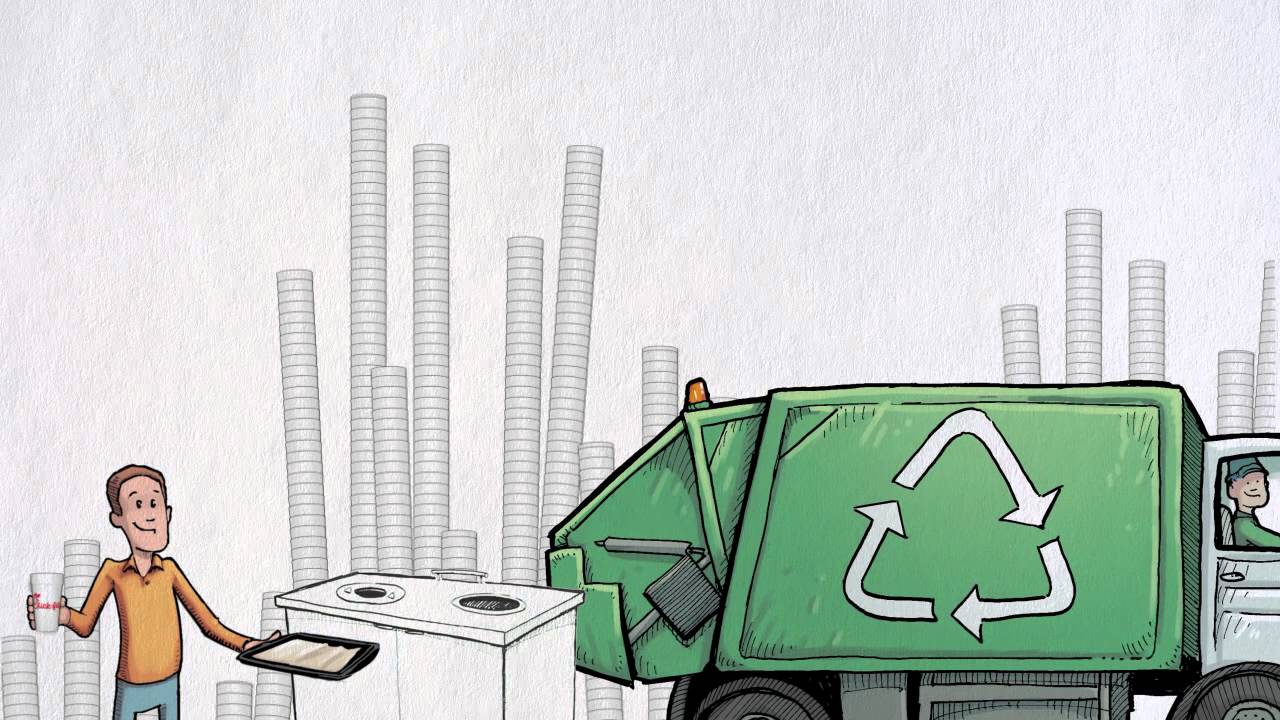
Chick-fil-A Polystyrene Cup Recycling

EPS Foam Recycling at Scale
EPS Recycling Location Finder
Powered by the EPS Industry Alliance. Find 680+ EPS foam drop-off and recycling locations across North America.
Recycling Methods
Six different approaches to processing polystyrene waste, from traditional mechanical recycling to emerging biological methods.
Polystyrene is compressed using hydraulic or screw-type compactors to reduce volume by up to 50:1, creating dense logs or blocks for efficient transport and reprocessing.
Polystyrene is shredded into small pieces, melted, and extruded into pellets that can be used as raw material for new products like picture frames, crown molding, and park benches.
Uses limonene (derived from orange peels) or other solvents to dissolve polystyrene, separating it from contaminants, then recovering clean polystyrene through evaporation.
Polystyrene is heated to 400-500°C in the absence of oxygen, breaking it down into styrene oil and other hydrocarbon fuels that can be used as fuel or chemical feedstock.
Advanced chemical process that breaks polystyrene back into its original styrene monomer, which can then be repolymerized into virgin-quality polystyrene, enabling true circular recycling.
Uses specialized catalysts to convert polystyrene waste into higher-value chemicals and materials, potentially worth more than the original product.
State Policies & Bans
All 50 US states and their current polystyrene policy status. Click on banned states to learn why they were banned and what efforts are underway to change the legislation.
12 states have enacted full bans on polystyrene food service containers
2025 Innovations
Emerging technologies and breakthroughs in polystyrene recycling.
Food-Grade Recycled PS
New purification processes are enabling food-contact-grade recycled polystyrene for the first time, opening up closed-loop recycling for food packaging. FDA approval is anticipated for multiple depolymerization-based processes.
Styrenyx Developments
Companies like Styrenyx are scaling catalytic depolymerization technology that converts post-consumer polystyrene back to virgin-quality styrene monomer at commercial scale, with multiple plants under construction.
Catalytic Upcycling
Researchers have developed catalytic processes that convert waste polystyrene into higher-value chemicals and materials, including surfactants, adhesives, and pharmaceutical intermediates, potentially making recycling more economically attractive.