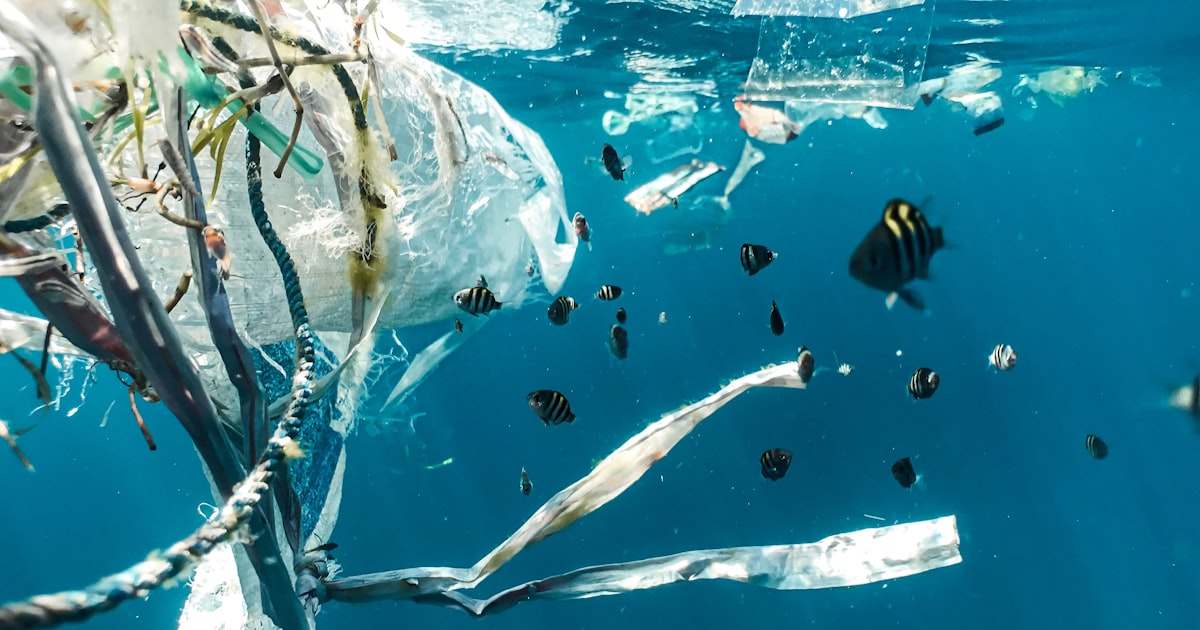
Why Recycling Is the Answer to Polystyrene Pollution
Polystyrene pollution in the ocean is a real problem, but the solution is not banning a 100% recyclable material. The real answer lies in building the recycling infrastructure that captures polystyrene before it ever reaches waterways. Here is why recycling works, and why bans fall short.
Understanding the Problem
When polystyrene is not properly disposed of or recycled, it can end up in waterways and oceans. Ultraviolet radiation from sunlight causes the material to become brittle and fragment over time. These fragments can break down into microplastics, pieces smaller than five millimeters, that are difficult to clean up once dispersed in the water.
Global coastal cleanup data shows polystyrene among the most commonly found debris on beaches. This is not an indictment of the material itself. It is an indictment of inadequate recycling infrastructure. Every piece of polystyrene found on a beach is a piece that should have been recycled.
Why Marine Pollution Happens
Over 100,000 marine animals are affected by plastic pollution annually, and polystyrene is among the materials found in ocean debris. But this pollution does not happen because polystyrene exists. It happens because only 32% of Americans have access to polystyrene recycling programs. When people have no way to recycle, materials end up in the wrong places.
The root cause is a lack of collection and processing infrastructure. Banning the material does not address the systemic waste management failures that allow any plastic to reach the ocean. Countries and states with strong recycling programs see dramatically less plastic pollution regardless of what materials they use.
Recycling Is the Real Solution
Modern recycling technology can handle polystyrene efficiently and economically. Compaction machines reduce EPS volume by 50:1, making collection and transport cost-effective. Chemical recycling through pyrolysis and depolymerization breaks polystyrene down to its original styrene monomer, producing virgin-quality material that can be used again and again. In 2025, food-grade recycled polystyrene was achieved at commercial scale, proving that true circular recycling is possible.
Every piece of polystyrene that enters a recycling facility is one less piece that could end up in the ocean. The technology exists. The market demand exists. What is needed is investment in recycling programs, not bans that eliminate a recyclable material.
Why Bans Fall Short
Bans on polystyrene often push businesses toward alternative materials like paper and compostable plastics that have their own environmental problems. Paper cups require more energy and water to produce, generate higher carbon emissions, and often contain plastic linings that make them difficult to recycle. Compostable alternatives frequently end up in landfills where they do not decompose as intended.
Meanwhile, banning polystyrene removes the economic incentive to build recycling infrastructure for the material. Instead of investing in collection and processing systems that would keep polystyrene out of the environment permanently, bans simply shift the problem to other materials.
The Path Forward
The solution to polystyrene ocean pollution is clear: expand recycling access from 32% to 100% of the population, invest in compaction and chemical recycling facilities, and create convenient collection programs that make recycling easier than littering. The global EPS recycling market has already reached $0.7 billion and is growing every year. The industry is investing, the technology is proven, and the economics are improving rapidly.
Polystyrene is a valuable, recyclable resource. The answer is not to ban it. The answer is to recycle it.