5 Myths About Styrofoam Recycling, Debunked
Polystyrene recycling is surrounded by misconceptions that discourage people from making the effort. These myths persist because polystyrene recycling is genuinely different from recycling aluminum cans or cardboard boxes. But different does not mean impossible. Let us separate fact from fiction.
Myth 1: Polystyrene Cannot Be Recycled
This is the most pervasive myth, and it is flatly wrong. Polystyrene is 100% recyclable through both mechanical and chemical processes. Mechanical recycling compresses and melts the material into pellets that become picture frames, crown molding, and other durable goods. Chemical recycling breaks it down into styrene monomer that can be made into brand-new polystyrene. The real issue is not the material's recyclability. It is the lack of convenient collection infrastructure in most communities. Only about 32% of Americans have access to polystyrene recycling programs, which creates the false impression that the material simply cannot be recycled.
Myth 2: Recycling Polystyrene Releases Dangerous Toxins
While it is true that burning polystyrene in an uncontrolled setting can release harmful chemicals including styrene gas and carbon monoxide, modern recycling facilities are not bonfires. Mechanical recycling methods like compaction and densification use pressure rather than combustion. Even thermal processes like extrusion and pyrolysis take place in enclosed, controlled environments with emission scrubbing systems. Advanced chemical recycling operations are designed with rigorous environmental safeguards, and commercial facilities must meet strict air quality regulations. Properly recycling polystyrene is far safer for the environment than letting it accumulate in landfills and oceans.
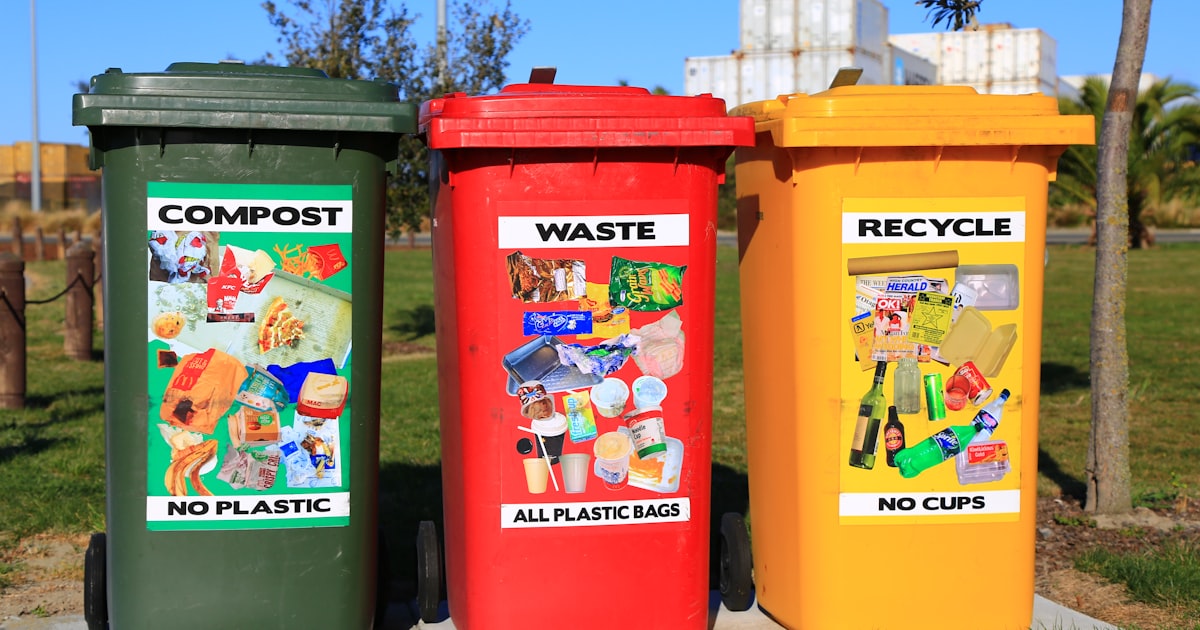
Myth 3: You Can Put Polystyrene in Your Curbside Bin
Unfortunately, this well-intentioned assumption causes real problems. Most municipal curbside programs explicitly exclude polystyrene because it can jam sorting equipment, contaminate bales of other recyclables, and break apart into tiny beads that scatter throughout the facility. Placing polystyrene in your curbside bin is a form of "wish-cycling" that actually hinders the recycling process. Instead, look for dedicated EPS drop-off locations at shipping stores, packaging retailers, or specialized recycling centers. The EPS Industry Alliance maintains a searchable locator to help you find the nearest option.
Myth 4: Polystyrene Biodegrades Eventually
Some people assume that polystyrene will simply break down over time like a banana peel or a newspaper. The reality is sobering. Polystyrene takes over 500 years to decompose in a landfill, and it never truly disappears. Instead, it undergoes photodegradation, slowly fragmenting into smaller and smaller pieces known as microplastics. These microplastics enter waterways, soil, and the ocean food chain, causing environmental damage for centuries. Polystyrene does not biodegrade. It just becomes a less visible and more insidious pollutant.
Myth 5: Polystyrene Recycling Is Too Expensive to Ever Work
The economics are challenging but rapidly improving. Small-scale polystyrene recycling can cost over $1,000 per ton, compared to roughly $30-50 per ton for landfill disposal. However, several innovations are changing the equation. On-site compaction machines reduce EPS volume by 50:1, dramatically cutting transportation costs. Chemical recycling produces valuable styrene monomer that commands higher market prices. The global EPS recycling market has already reached $0.7 billion and is growing annually. As more facilities open and technology improves, the cost gap will continue to narrow. History has shown that recycling economics improve with scale, and the same trajectory that made aluminum and paper recycling commonplace is now underway for polystyrene.